

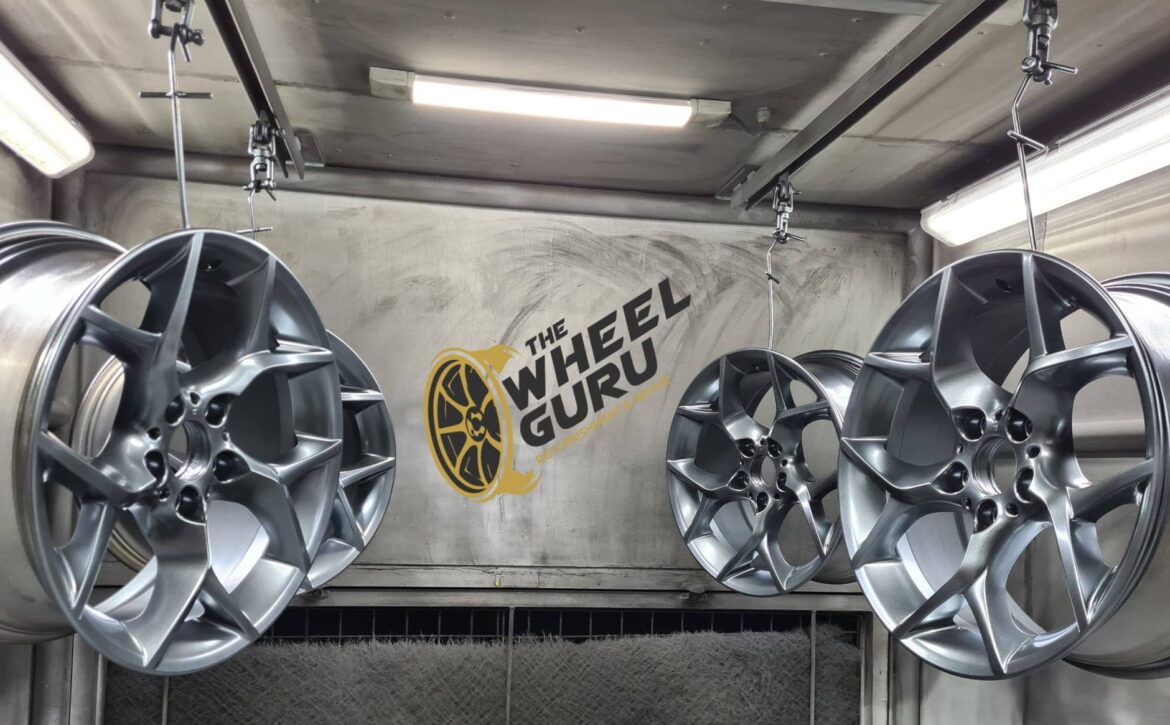
Powder Coating: A Complete Guide to the Coating Process
Complete Guide to Powder Coating: Process, Benefits, and Applications
Powder coating is one of the most reliable and widely used finishing methods for metal surfaces. It is popular across automotive, industrial, commercial, and residential sectors because of its durability, attractive appearance, and long-term protection.
From alloy wheel refurbishment and bicycle frames to gates, railings, machinery, and architectural metalwork, powder coating offers a strong and visually appealing finish that outperforms many traditional paint systems.
If you are considering powder coating for alloy wheels or other metal components, understanding the process and its advantages can help you decide whether it is the right solution for your needs.
What Is Powder Coating?
Powder coating is a dry finishing technique that uses electrically charged powder particles made from pigment and resin. These particles are sprayed onto a metal surface and then cured under heat to create a hard, protective coating.
Unlike conventional liquid paint, powder coating does not rely on solvents. The powder is applied dry and baked in an oven, where it melts and chemically bonds to the surface. This creates a smooth, uniform finish that is highly resistant to wear, corrosion, fading, and impact damage.
Because of its strength and versatility, powder coating is commonly used for:
- Alloy wheels
- Automotive components
- Gates and railings
- Outdoor furniture
- Industrial machinery
- Bicycle and motorcycle frames
- Shelving systems
- Architectural metalwork
Its combination of protection and aesthetics makes it suitable for both decorative and heavy-duty applications.
How the Powder Coating Process Works
Achieving a durable finish requires careful preparation and controlled application. The process generally follows four main stages.
1. Surface Preparation
Preparation is the foundation of a successful powder-coated finish. Any contamination left on the surface can affect adhesion and durability.
Before coating, the item is cleaned to remove:
- Dirt and debris
- Grease and oils
- Rust and corrosion
- Old paint or coatings
- Brake dust and residue on alloy wheels
Preparation methods may include abrasive blasting, chemical stripping, or media blasting. This creates a clean surface that allows the powder to bond properly.
2. Repairs and Surface Correction
Any damage should be repaired before coating begins because powder coating will not hide imperfections.
For alloy wheel refurbishment, this stage may involve:
- Kerb damage repair
- Surface smoothing
- Wheel straightening
- Minor dent correction
Addressing defects beforehand ensures a cleaner and more professional final finish.
3. Electrostatic Powder Application
Once prepared, the powder is applied using an electrostatic spray gun.
The spray gun gives the powder particles an electrical charge while the metal object is grounded. The charged particles are naturally attracted to the surface, creating an even coating across the entire component.
This process allows excellent coverage, even around curves and detailed areas, while avoiding common paint problems such as drips or runs.
4. Heat Curing
After application, the coated item is placed inside a curing oven, typically heated between 160°C and 220°C depending on the powder type.
During curing, the powder melts, flows evenly across the surface, and chemically hardens into a durable protective layer.
Once cooled, the coating is fully set and ready for use.
Powder Coating Finish Options
One of the biggest advantages of powder coating is the wide range of finishes available.
Gloss Finish
Gloss coatings create a smooth, reflective appearance that is especially popular for alloy wheels and decorative metalwork.
Satin Finish
Satin offers a balanced appearance between gloss and matte, delivering a modern and refined look.
Matte Finish
Matte coatings provide a subtle, non-reflective surface often used in contemporary or industrial designs.
Textured Finishes
Textured coatings can improve grip, hide minor imperfections, and create a distinctive visual effect.
Metallic Finishes
Metallic powders replicate premium finishes such as brushed aluminium, bronze, silver, and gunmetal.
Custom Colours
Powder coating is available in a huge range of colours, allowing complete customisation for automotive and architectural projects.
Why Powder Coating Is Ideal for Alloy Wheels
Powder coating has become one of the most popular choices for alloy wheel refurbishment because it combines durability with visual appeal.
Excellent Durability
Alloy wheels are constantly exposed to harsh road conditions, including stone chips, road salt, moisture, and brake dust. Powder coating provides strong resistance against:
- Scratches and chips
- Corrosion
- UV fading
- Brake dust staining
- Everyday wear
Long-Term Protection
Compared with conventional paint, powder coating forms a thicker and tougher protective barrier that can last for years when properly maintained.
Improved Appearance
Freshly powder-coated wheels can completely transform the look of a vehicle, whether restoring the original finish or creating a custom style.
Cost-Effective Refurbishment
Refurbishing damaged wheels through powder coating is often far more affordable than replacing them entirely.
Powder Coating vs Traditional Paint
Many people compare powder coating with conventional wet paint when deciding on a finish.
Durability
Powder coating generally offers better resistance to scratches, impacts, and corrosion than traditional paint systems.
Finish Quality
Because the powder is evenly attracted to the surface, the finish is typically smoother and more consistent, without brush marks or paint runs.
Environmental Benefits
Powder coating contains little to no volatile organic compounds (VOCs), making it a more environmentally friendly option.
Longevity
A professionally applied powder-coated finish usually lasts significantly longer than standard painted surfaces.
Common Uses for Powder Coating
Although alloy wheels are a major application, powder coating is widely used across many industries.
Common examples include:
- Security gates
- Railings and fencing
- Garden furniture
- Motorbike frames
- Toolboxes
- Industrial equipment
- Shelving units
- Automotive parts
- Architectural steelwork
Its versatility makes it suitable for both decorative projects and demanding industrial environments.
How Long Does Powder Coating Last?
When applied correctly, powder coating can remain in excellent condition for many years.
Its lifespan depends on factors such as:
- Surface preparation quality
- Type of powder used
- Exposure to weather and UV light
- Usage conditions
- Maintenance routines
In most cases, powder-coated surfaces outlast traditional painted finishes.
Caring for Powder-Coated Surfaces
Although highly durable, powder-coated finishes still benefit from basic maintenance.
To keep the coating looking its best:
- Wash regularly using mild soap and water
- Avoid aggressive chemical cleaners
- Remove brake dust from wheels frequently
- Use soft cloths or non-abrasive brushes
- Inspect for chips or impact damage
Regular cleaning helps preserve both appearance and long-term protection.
Is Powder Coating Worth It?
For many applications, powder coating offers excellent value. Its combination of durability, corrosion resistance, low maintenance, and visual appeal makes it one of the best finishing solutions for metal surfaces.
Whether restoring alloy wheels, protecting outdoor furniture, or refinishing industrial equipment, powder coating often provides better long-term performance than conventional paint.
Final Thoughts
Powder coating is more than just a decorative finish. It is a durable protective solution that enhances the appearance and lifespan of metal components across automotive, industrial, and domestic applications.
From alloy wheel refurbishment to architectural metalwork, the process delivers reliable protection, excellent finish quality, and extensive customisation options.
When professionally applied, powder coating can provide years of performance while maintaining a clean and high-quality appearance, making it one of the most trusted finishing methods available today.
/ Call Us 07887744892
To schedule your own alloy wheel repair and customisation, powder coating, diamond cutting or other alloy wheel refurbishment needs. We welcome motorists from Halifax, Leeds, Huddersfield, Bradford, Harrogate, York and the surrounding areas.

