Alloy Wheel Repair: Everything You Need to Know

Alloy wheels are a popular choice among car owners thanks to their sleek appearance, lightweight construction, and performance benefits. However, they are not immune to damage. From curb scratches to corrosion and bends, alloy wheels can lose both their visual appeal and functionality over time. That’s where alloy wheel repair comes in—a cost-effective and practical solution to restore your wheels without replacing them.


What Is Alloy Wheel Repair?

Alloy wheel repair is the process of fixing damage to wheels made from aluminum or magnesium alloys. The goal is to restore both the structural integrity and the aesthetic finish of the wheel. Depending on the type and severity of the damage, repair techniques can vary from simple cosmetic touch-ups to more advanced procedures.


Common Types of Alloy Wheel Damage

Understanding the kind of damage your wheels can suffer helps you determine when repair is necessary.

1. Curb Damage (Scuffs and Scratches)
One of the most common issues, usually caused by parking too close to curbs. While often cosmetic, deep scratches can expose the metal underneath.

2. Corrosion
Exposure to moisture, road salt, and dirt can lead to corrosion, especially if the protective coating is damaged.

3. Bent Wheels
Hitting potholes or road debris can bend the wheel, affecting your car’s handling and safety.

4. Cracks
Cracks are more serious and can compromise the structural integrity of the wheel. Immediate repair is essential.


The Alloy Wheel Repair Process

Professional alloy wheel repair typically involves several steps to ensure a high-quality finish:

  • Inspection: Technicians assess the extent of the damage.
  • Cleaning: The wheel is thoroughly cleaned to remove dirt and brake dust.
  • Preparation: Damaged areas are sanded or smoothed out.
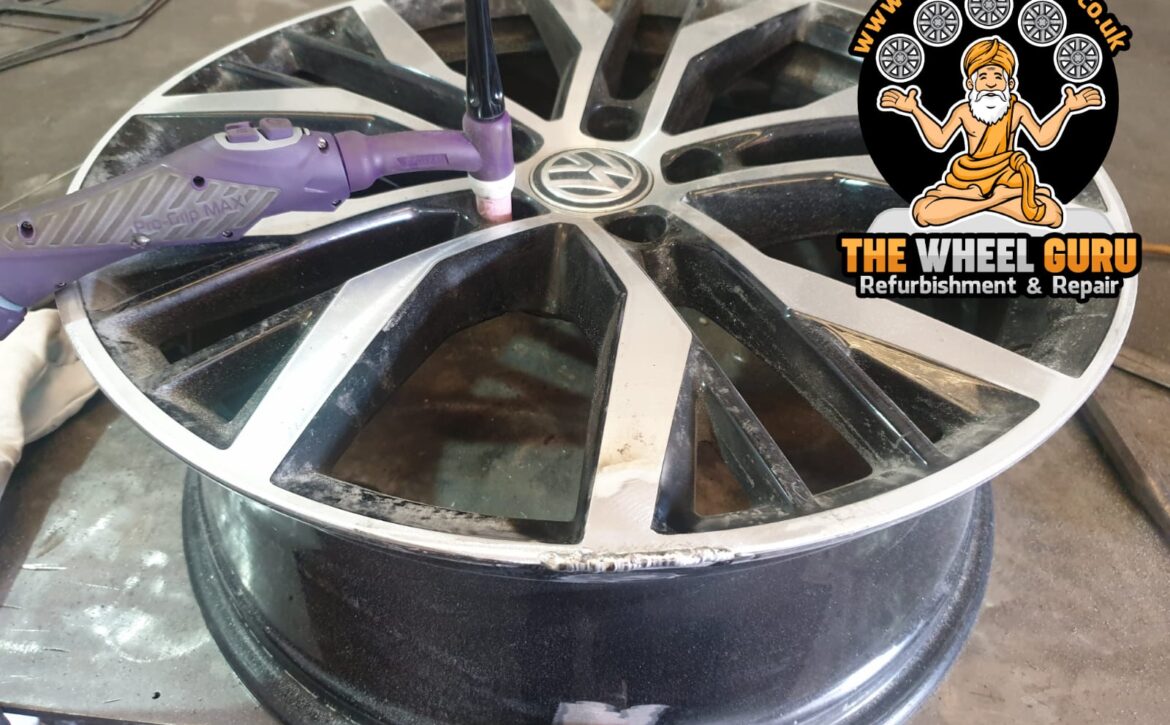
  • Repair Work: Filling, welding, or reshaping may be done depending on the issue.
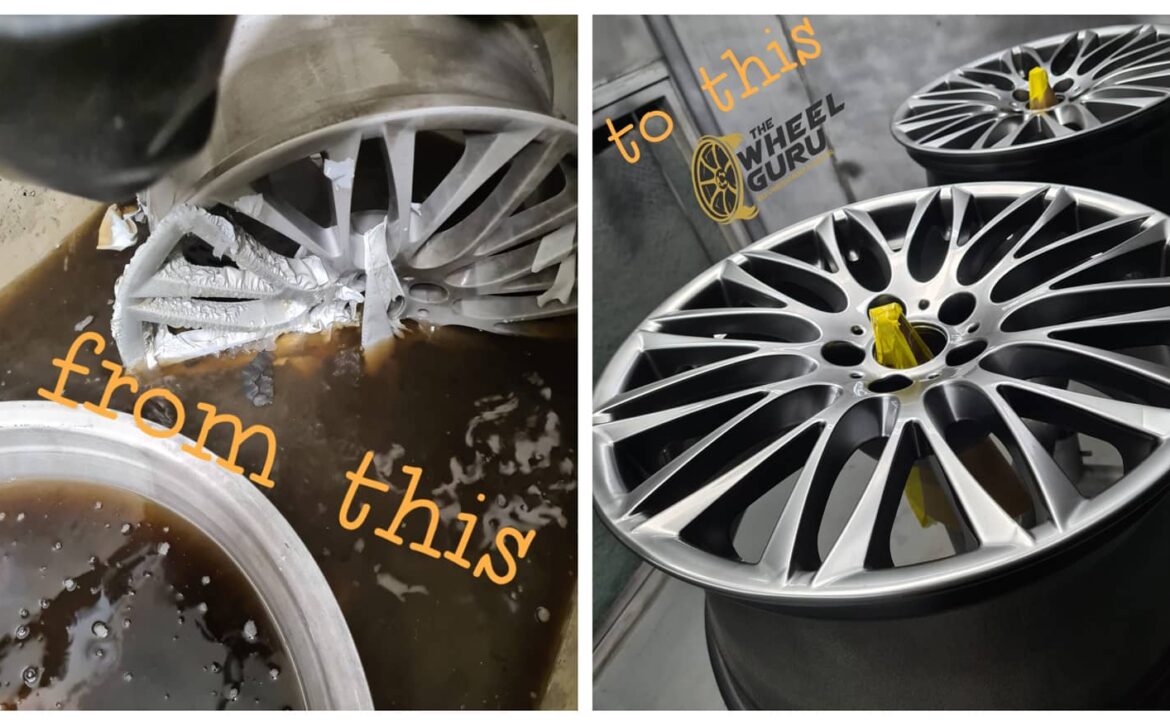
  • Refinishing: The wheel is primed, painted, and sealed to match its original look.
  • Final Check: Ensures the wheel is balanced and safe to use.

Why Repair Instead of Replace?

Many drivers assume that damaged wheels need to be replaced, but repair often makes more sense.

Cost Savings:
Repairing a wheel is significantly cheaper than buying a new one.

Eco-Friendly:
Repairing reduces waste and the environmental impact of manufacturing new wheels.

Maintains Original Look:
Professional repair can restore your wheels to like-new condition.


DIY vs. Professional Repair

While DIY kits are available for minor scratches, they rarely deliver the same results as professional services.

  • DIY Repairs: Suitable for very light cosmetic damage but may not last long.
  • Professional Repairs: Offer durable, high-quality results and address both cosmetic and structural issues.

For anything beyond minor scuffs, it’s always safer to rely on experienced technicians.


How to Prevent Alloy Wheel Damage

Although repairs are effective, prevention is always better.

  • Avoid parking too close to curbs
  • Drive carefully on rough or pothole-filled roads
  • Clean your wheels regularly to prevent corrosion
  • Apply protective coatings for added durability

When Should You Get Your Wheels Repaired?

Don’t ignore warning signs. You should consider alloy wheel repair if you notice:

  • Visible scratches or chips
  • Vibrations while driving
  • Air pressure loss in tires
  • Signs of corrosion or discoloration

Addressing these issues early can prevent more serious problems down the line.


Final Thoughts

Alloy wheel repair is an essential service for maintaining both the appearance and safety of your vehicle. Whether it’s minor cosmetic damage or more serious structural issues, timely repairs can extend the life of your wheels and enhance your driving experience.

Instead of replacing damaged wheels, consider repair as a smart, cost-effective, and environmentally friendly solution. With the right care and professional support, your alloy wheels can continue to look great and perform at their best for years to come.

Alloy Wheel Refurbishment: Restore Your Wheels to Like-New Condition

Alloy wheels are a standout feature on any vehicle, adding both style and performance benefits. However, over time, they can suffer from wear and tear—scratches, corrosion, fading paint, and general damage can all take away from their appearance. Instead of replacing them, many car owners turn to alloy wheel refurbishment, a cost-effective way to bring wheels back to life.

What Is Alloy Wheel Refurbishment?

Alloy wheel refurbishment is a comprehensive process that restores damaged or worn wheels to their original—or even better—condition. Unlike simple repairs that focus on specific issues, refurbishment involves a complete overhaul of the wheel’s surface, including cleaning, repairing, and refinishing.

This process not only improves the look of your wheels but also helps protect them from further damage.

Why Do Alloy Wheels Need Refurbishment?

Over time, several factors can affect the condition of alloy wheels:

  • Curb damage: Scratches and scuffs from everyday driving
  • Corrosion: Caused by moisture, road salt, and brake dust
  • Peeling paint or lacquer: Deterioration of the protective coating
  • General wear and tear: Loss of shine and finish over time

If left untreated, these issues can worsen and even impact the structural integrity of the wheel.

The Alloy Wheel Refurbishment Process

Professional refurbishment services follow a detailed process to ensure high-quality results:

  1. Inspection
    Each wheel is carefully assessed for damage, including cracks or bends.
  2. Stripping the Old Finish
    The existing paint, lacquer, and contaminants are removed, often using chemical treatments or blasting methods.
  3. Repair Work
    Any damage such as scratches, dents, or minor bends is fixed.
  4. Surface Preparation
    The wheel is sanded and smoothed to create a perfect base for refinishing.
  5. Priming and Painting
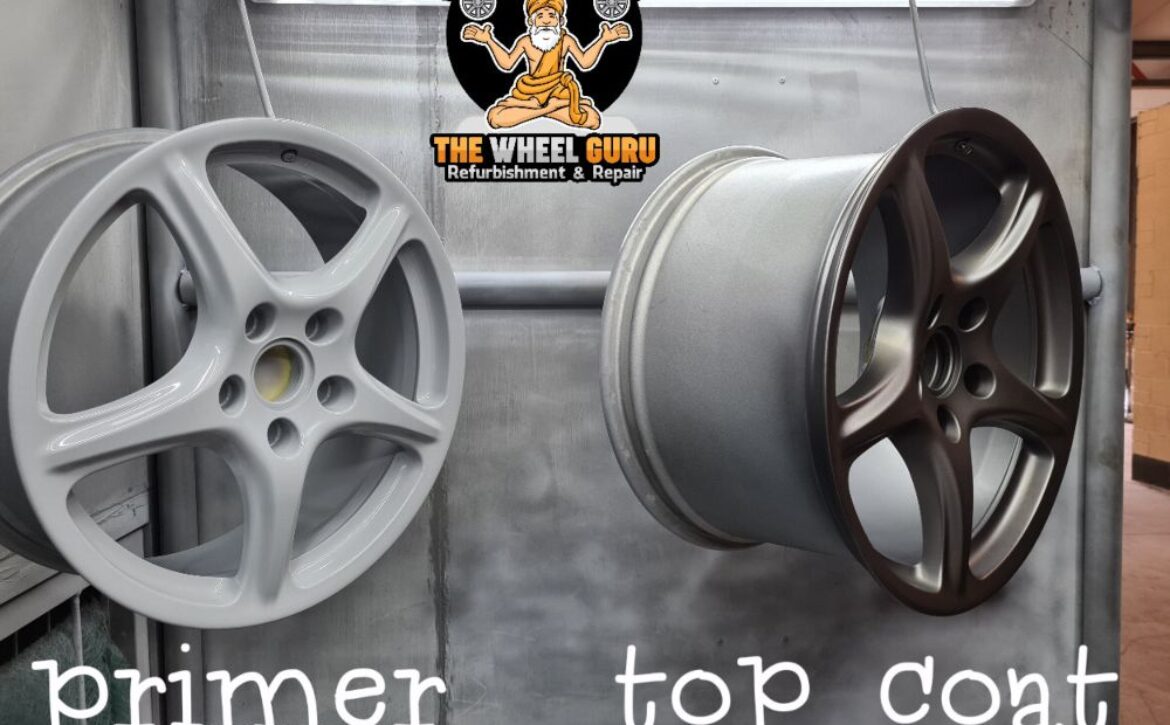
    A primer is applied, followed by color coating in your chosen finish—standard silver, gloss black, or even custom colors.
  6. Lacquering and Sealing
    A protective clear coat is added to enhance durability and provide a polished look.
  7. Final Quality Check
    The wheel is inspected to ensure it meets safety and aesthetic standards.

Benefits of Alloy Wheel Refurbishment

Cost-Effective
Refurbishing your wheels is significantly cheaper than buying new ones.

Enhanced Appearance
Your wheels can look as good as new—or even better with custom finishes.

Increased Lifespan
Protective coatings help prevent future damage and corrosion.

Eco-Friendly Option
Refurbishment reduces waste and the need for new materials.

Refurbishment vs. Repair: What’s the Difference?

While both services aim to restore wheels, they serve different purposes:

  • Alloy wheel repair focuses on fixing specific issues like cracks or bends.
  • Alloy wheel refurbishment is a full restoration process that improves both appearance and protection.

If your wheels have multiple issues or look worn overall, refurbishment is the better choice.

How Long Does Refurbishment Take?

The time required depends on the condition of the wheels and the level of work needed. On average, professional refurbishment can take anywhere from a few hours to a couple of days. Some service providers even offer same-day solutions for minor refurbishments.

How to Maintain Refurbished Wheels

After refurbishment, proper care will keep your wheels looking their best:

  • Clean regularly using non-abrasive products
  • Avoid harsh chemicals that can damage the finish
  • Be cautious when parking near curbs
  • Check for early signs of damage and address them quickly

When Should You Consider Refurbishment?

You should consider alloy wheel refurbishment if:

  • Your wheels look dull or faded
  • There are multiple scratches or scuffs
  • You notice peeling paint or corrosion
  • You want to upgrade the look of your car

Final Thoughts

Alloy wheel refurbishment is a smart investment for anyone looking to improve their vehicle’s appearance and extend the life of their wheels. It offers a perfect balance between cost, performance, and aesthetics.

Rather than replacing your wheels, refurbishment allows you to restore and even customize them to suit your style. With professional care and regular maintenance, your alloy wheels can continue to enhance your car’s look and performance for years to come.

/ Call Us 07887744892

To schedule your own alloy wheel repair and customisation, powder coating, diamond cutting or other alloy wheel refurbishment needs. We welcome motorists from Halifax, Leeds, Huddersfield, Bradford, Harrogate, York and the surrounding areas.


Alloy Wheel Straightening: Everything You Need to Know

Alloy wheels are known for their lightweight performance and stylish appearance, but they are also more vulnerable to damage from everyday driving hazards. Potholes, speed bumps, and rough road conditions can easily cause wheels to bend or become misaligned. When this happens, alloy wheel straightening offers an effective solution to restore both safety and performance without the cost of full replacement.

What Is Alloy Wheel Straightening?

Alloy wheel straightening is a specialized repair process that corrects bends or deformities in a wheel’s structure. Using professional equipment and precise techniques, technicians carefully reshape the wheel back to its original form.

This process is essential for maintaining proper wheel balance, ensuring a smooth ride, and preventing further damage to your vehicle.

What Causes Alloy Wheels to Bend?

Bent alloy wheels are more common than many drivers realize. Some of the main causes include:

  • Potholes: Sudden impacts can easily deform the wheel
  • Curbs: Accidental contact while parking or turning
  • Road debris: Hitting objects at speed
  • Poor road conditions: Uneven or damaged surfaces

Even a minor bend can affect how your car handles and feels on the road.

Signs Your Alloy Wheels Need Straightening

It’s not always obvious when a wheel is bent, but there are several warning signs to watch for:

  • Vibrations while driving, especially at higher speeds
  • Uneven tire wear
  • Steering issues or pulling to one side
  • Loss of air pressure
  • Visible distortion in the wheel rim

If you notice any of these symptoms, it’s important to have your wheels inspected as soon as possible.

The Alloy Wheel Straightening Process

Professional alloy wheel straightening involves a series of precise steps:

  1. Inspection
    The wheel is checked for bends, cracks, and other structural issues.
  2. Mounting on a Straightening Machine
    The wheel is secured on specialized equipment designed to measure and correct alignment.
  3. Application of Heat (if required)
    Controlled heat may be used to make the alloy more flexible and prevent cracking during repair.
  4. Hydraulic Adjustment
    Technicians use hydraulic tools to gently reshape the bent areas back to their original position.
  5. Balancing and Testing
    Once straightened, the wheel is tested for balance and accuracy to ensure safe performance.

Benefits of Alloy Wheel Straightening

Cost-Effective Solution
Straightening is significantly cheaper than replacing a damaged wheel.

Improved Driving Comfort
Eliminates vibrations and ensures a smoother ride.

Enhanced Safety
Properly aligned wheels improve handling and braking performance.

Extended Wheel Lifespan
Fixing minor issues early prevents more severe damage over time.

Is Alloy Wheel Straightening Safe?

Yes—when carried out by experienced professionals using the right equipment, alloy wheel straightening is a safe and reliable repair method. However, not all wheels can be repaired.

If a wheel has severe cracks or extensive structural damage, replacement may be the safer option. A professional inspection will determine the best course of action.

Straightening vs. Replacement

Many drivers wonder whether to repair or replace a bent wheel.

  • Choose straightening if:
    • The bend is minor to moderate
    • There are no major cracks
    • You want a cost-effective fix
  • Choose replacement if:
    • The wheel has significant structural damage
    • Cracks compromise safety
    • The cost of repair approaches replacement value

How to Prevent Alloy Wheel Damage

While not all damage can be avoided, you can reduce the risk by:

  • Driving carefully on rough roads
  • Avoiding potholes whenever possible
  • Maintaining proper tire pressure
  • Slowing down over speed bumps

Final Thoughts

Alloy wheel straightening is an essential service for maintaining your vehicle’s performance, comfort, and safety. A bent wheel might seem like a minor issue, but it can lead to bigger problems if left untreated.

By addressing damage early and relying on professional repair services, you can restore your wheels to optimal condition without the expense of replacement. Whether it’s a slight bend or a noticeable vibration, alloy wheel straightening ensures your vehicle stays smooth, stable, and safe on the road.

/ Call Us 07887744892

To schedule your own alloy wheel repair and customisation, powder coating, diamond cutting or other alloy wheel refurbishment needs. We welcome motorists from Halifax, Leeds, Huddersfield, Bradford, Harrogate, York and the surrounding areas.


Powder Coating: A Complete Guide to the Coating Process

Complete Guide to Powder Coating: Process, Benefits, and Applications

Powder coating is one of the most reliable and widely used finishing methods for metal surfaces. It is popular across automotive, industrial, commercial, and residential sectors because of its durability, attractive appearance, and long-term protection.

From alloy wheel refurbishment and bicycle frames to gates, railings, machinery, and architectural metalwork, powder coating offers a strong and visually appealing finish that outperforms many traditional paint systems.

If you are considering powder coating for alloy wheels or other metal components, understanding the process and its advantages can help you decide whether it is the right solution for your needs.

What Is Powder Coating?

Powder coating is a dry finishing technique that uses electrically charged powder particles made from pigment and resin. These particles are sprayed onto a metal surface and then cured under heat to create a hard, protective coating.

Unlike conventional liquid paint, powder coating does not rely on solvents. The powder is applied dry and baked in an oven, where it melts and chemically bonds to the surface. This creates a smooth, uniform finish that is highly resistant to wear, corrosion, fading, and impact damage.

Because of its strength and versatility, powder coating is commonly used for:

  • Alloy wheels
  • Automotive components
  • Gates and railings
  • Outdoor furniture
  • Industrial machinery
  • Bicycle and motorcycle frames
  • Shelving systems
  • Architectural metalwork

Its combination of protection and aesthetics makes it suitable for both decorative and heavy-duty applications.

How the Powder Coating Process Works

Achieving a durable finish requires careful preparation and controlled application. The process generally follows four main stages.

1. Surface Preparation

Preparation is the foundation of a successful powder-coated finish. Any contamination left on the surface can affect adhesion and durability.

Before coating, the item is cleaned to remove:

  • Dirt and debris
  • Grease and oils
  • Rust and corrosion
  • Old paint or coatings
  • Brake dust and residue on alloy wheels

Preparation methods may include abrasive blasting, chemical stripping, or media blasting. This creates a clean surface that allows the powder to bond properly.

2. Repairs and Surface Correction

Any damage should be repaired before coating begins because powder coating will not hide imperfections.

For alloy wheel refurbishment, this stage may involve:

  • Kerb damage repair
  • Surface smoothing
  • Wheel straightening
  • Minor dent correction

Addressing defects beforehand ensures a cleaner and more professional final finish.

3. Electrostatic Powder Application

Once prepared, the powder is applied using an electrostatic spray gun.

The spray gun gives the powder particles an electrical charge while the metal object is grounded. The charged particles are naturally attracted to the surface, creating an even coating across the entire component.

This process allows excellent coverage, even around curves and detailed areas, while avoiding common paint problems such as drips or runs.

4. Heat Curing

After application, the coated item is placed inside a curing oven, typically heated between 160°C and 220°C depending on the powder type.

During curing, the powder melts, flows evenly across the surface, and chemically hardens into a durable protective layer.

Once cooled, the coating is fully set and ready for use.

Powder Coating Finish Options

One of the biggest advantages of powder coating is the wide range of finishes available.

Gloss Finish

Gloss coatings create a smooth, reflective appearance that is especially popular for alloy wheels and decorative metalwork.

Satin Finish

Satin offers a balanced appearance between gloss and matte, delivering a modern and refined look.

Matte Finish

Matte coatings provide a subtle, non-reflective surface often used in contemporary or industrial designs.

Textured Finishes

Textured coatings can improve grip, hide minor imperfections, and create a distinctive visual effect.

Metallic Finishes

Metallic powders replicate premium finishes such as brushed aluminium, bronze, silver, and gunmetal.

Custom Colours

Powder coating is available in a huge range of colours, allowing complete customisation for automotive and architectural projects.

Why Powder Coating Is Ideal for Alloy Wheels

Powder coating has become one of the most popular choices for alloy wheel refurbishment because it combines durability with visual appeal.

Excellent Durability

Alloy wheels are constantly exposed to harsh road conditions, including stone chips, road salt, moisture, and brake dust. Powder coating provides strong resistance against:

  • Scratches and chips
  • Corrosion
  • UV fading
  • Brake dust staining
  • Everyday wear
Long-Term Protection

Compared with conventional paint, powder coating forms a thicker and tougher protective barrier that can last for years when properly maintained.

Improved Appearance

Freshly powder-coated wheels can completely transform the look of a vehicle, whether restoring the original finish or creating a custom style.

Cost-Effective Refurbishment

Refurbishing damaged wheels through powder coating is often far more affordable than replacing them entirely.

Powder Coating vs Traditional Paint

Many people compare powder coating with conventional wet paint when deciding on a finish.

Durability

Powder coating generally offers better resistance to scratches, impacts, and corrosion than traditional paint systems.

Finish Quality

Because the powder is evenly attracted to the surface, the finish is typically smoother and more consistent, without brush marks or paint runs.

Environmental Benefits

Powder coating contains little to no volatile organic compounds (VOCs), making it a more environmentally friendly option.

Longevity

A professionally applied powder-coated finish usually lasts significantly longer than standard painted surfaces.

Common Uses for Powder Coating

Although alloy wheels are a major application, powder coating is widely used across many industries.

Common examples include:

  • Security gates
  • Railings and fencing
  • Garden furniture
  • Motorbike frames
  • Toolboxes
  • Industrial equipment
  • Shelving units
  • Automotive parts
  • Architectural steelwork

Its versatility makes it suitable for both decorative projects and demanding industrial environments.

How Long Does Powder Coating Last?

When applied correctly, powder coating can remain in excellent condition for many years.

Its lifespan depends on factors such as:

  • Surface preparation quality
  • Type of powder used
  • Exposure to weather and UV light
  • Usage conditions
  • Maintenance routines

In most cases, powder-coated surfaces outlast traditional painted finishes.

Caring for Powder-Coated Surfaces

Although highly durable, powder-coated finishes still benefit from basic maintenance.

To keep the coating looking its best:

  • Wash regularly using mild soap and water
  • Avoid aggressive chemical cleaners
  • Remove brake dust from wheels frequently
  • Use soft cloths or non-abrasive brushes
  • Inspect for chips or impact damage

Regular cleaning helps preserve both appearance and long-term protection.

Is Powder Coating Worth It?

For many applications, powder coating offers excellent value. Its combination of durability, corrosion resistance, low maintenance, and visual appeal makes it one of the best finishing solutions for metal surfaces.

Whether restoring alloy wheels, protecting outdoor furniture, or refinishing industrial equipment, powder coating often provides better long-term performance than conventional paint.

Final Thoughts

Powder coating is more than just a decorative finish. It is a durable protective solution that enhances the appearance and lifespan of metal components across automotive, industrial, and domestic applications.

From alloy wheel refurbishment to architectural metalwork, the process delivers reliable protection, excellent finish quality, and extensive customisation options.

When professionally applied, powder coating can provide years of performance while maintaining a clean and high-quality appearance, making it one of the most trusted finishing methods available today.

/ Call Us 07887744892

To schedule your own alloy wheel repair and customisation, powder coating, diamond cutting or other alloy wheel refurbishment needs. We welcome motorists from Halifax, Leeds, Huddersfield, Bradford, Harrogate, York and the surrounding areas.


Alloy Wheel Refurbishment – How to Spot a Trusted Specialist

Are you considering options for your first alloy wheels? Or do you require your first alloy wheel refurbishment service on your current set? If you are new to the world of alloy wheels, you can benefit from The Wheel Guru’s expertise. From a basic alloy wheel straightening to stunning finishes with diamond cutting and powder coating, we put your satisfaction at the heart of everything we do. Quite simply, when it comes to alloy wheel repair, we do it all.

A key part of our excellent customer service is clear and honest communication. Our company understands that buying alloys represents a large investment, and how undertaking alloy wheel refurbishments only adds to that. We don’t want you to feel in the dark, confused or unconfident regarding any aspect of our services.

As such, in this blog, we provide a guide below to two of the most common types of wheel; alloy and steel. With this knowledge, you can purchase your first wheels, or schedule your first alloy wheel repairs, with complete confidence.

If you’re a motorist and require anything from a new powder coating or diamond cutting finish, an alloy wheel straightening to iron out a buckle, or any of our other services, call us on 07887744892

Common Traits Shared by Trusted Alloy Wheel Specialists
alloy-wheel-after-image
alloy-wheel-before-image
How to Maintain Your Alloy Wheels
A Wide Range of Wheel Services

From finishes like powder coating and diamond cutting to work on structural integrity, any experts in alloy wheel refurbishments will provide a range of services. In short, their team will have the ability to patch and rectify all types of damage as well as providing stunning custom surfaces.

This gives you the option to combine the best of both worlds: undoubted safety and slick aesthetics.

The speed of the turnaround also separates the good from the great. Alloy wheel repair experts identify issues quickly, telling you exactly what’s wrong and how long it will take to rectify. Whether you need an alloy wheel straightening or only cosmetic work, a specialist won’t waste your time.

Complete Alloy Wheel Repair

Depending on how you drive on the roads of Harrogate, your wheel might take a battering. As such, alloy wheel refurbishments followed by your choice of powder coating or diamond cutting may not suffice. Complete repair jobs require much more expertise, so a company providing such a service is one you can trust.

Of course, companies can make bold claims about their alloy wheel repair abilities. To avoid a less-than-stellar service, ask to see their previous results.

Custom Colouring and Aesthetics

Your alloys have the potential to transform the appearance and performance of your car, so it stands to reason that any specialist worth their salt will offer a wide range of services to make them shine. Generally speaking, these will commonly come in the form of diamond cutting and powder coating. The latter, in particular, has an exhaustive range of options, with thousands of colours to work with.

Customer-focused alloy wheel refurbishment companies will happily bundle services together too. For example, if you’ve kerbed a wheel while driving in Harrogate, they can perform an alloy wheel straightening before applying your desired finish.

/ Call Us 07887744892

To schedule your own alloy wheel repair and customisation, powder coating, diamond cutting or other alloy wheel refurbishment needs. We welcome motorists from Halifax, Leeds, Huddersfield, Bradford, Harrogate, York and the surrounding areas.


Diamond Cutting – 3 Things to Consider Before Your Service

Are you considering investing in your first diamond cutting service? First of all, great choice. Diamond cut alloys make a great solution for upgrading your car’s appearance. With their dazzling, glass-like finish, you’ll make a huge statement as you drive the roads . The Wheel Guru specialises in multiple services, including alloy wheel straightening, powder coating and all forms of alloy wheel repair.

Like any alloy wheel refurbishment and repair company, we excel in diamond cutting. With years of experience behind us, we understand that investing in this service requires serious thought. Due to their unique nature and requirements, diamond cut wheels aren’t the best option for everyone.

To maximise the return on your potential investment, we have dedicated this blog to 3 of the most important things to consider ahead of your own diamond cutting procedure.

If you want to discuss diamond cut alloys in more detail, or services like powder coating, alloy wheel straightening and other forms of alloy wheel repair, call The Wheel Guru on 07887744892

Diamond Cutting | Important Considerations
diamond cutting
diamond_after
How to Maintain Your Alloy Wheels
Leave It to the Pros

Repairing, refurbishing and fitting diamond alloys is a complex task. It requires a professional with a specialist skillset. When performed by an inexperienced or underqualified alloy wheel refurbishment company or mechanic, you run the risk of significant wheel damage.

Aspects of diamond cutting include:

  • Inspecting damage with an expert eye for detail
  • Complete removal of one or multiple wheels
  • A chemical stripping and welding process
  • Use of state-of-the-art machinery for flawless results

As with powder coating, alloy wheel straightening or any form of alloy wheel repair, always pick a proven professional.stunning custom surfaces.

This gives you the option to combine the best of both worlds: undoubted safety and slick aesthetics.

The speed of the turnaround also separates the good from the great. Alloy wheel repair experts identify issues quickly, telling you exactly what’s wrong and how long it will take to rectify. Whether you need an alloy wheel straightening or only cosmetic work, a specialist won’t waste your time.

Diamond Cut Alloys Need Aftercare

While our alloy wheel refurbishment team performs diamond cutting to exceptional standards, you must look after them once you leave our workshop to retain their aesthetic for longer.

The approach for aftercare differs depending on how you use your vehicle. We happily provide recommendations on how to keep your diamond alloys in great condition, but we prefer to give personalised information relevant to your situation.

There’s no one-size-fits-all solution. We treat you as an individual with unique requirements, so we address your aftercare needs during an initial consultation. Our company applies the same approach across our full range of alloy wheel repair work, from powder coating to alloy wheel straightening.

You Can Have Alloys Cut More Than Once

Some may claim that diamond cutting represents a one-time procedure – but this is usually incorrect. While it’s true each alloy wheel can only undergo the process a finite number of times, the amount depends on the integrity and strength of your wheel.

For example, some wheels can only receive this alloy wheel refurbishment procedure once, while others can easily receive two or three services.

You can visit our workshop in Leeds for advice tailored to your own specific wheels.

From alloy wheel straightening to powder coating, no matter what service you approach us for, The Wheel Guru always provides a personal approach that puts your satisfaction first.

/ Call Us 07887744892

To schedule your own alloy wheel repair and customisation, powder coating, diamond cutting or other alloy wheel refurbishment needs. We welcome motorists from Leeds, Huddersfield, Bradford, Harrogate, York and the surrounding areas.


Alloy Wheel Repair – The Difference Between Alloy and Steel Wheels

Are you considering options for your first alloy wheels? Or do you require your first alloy wheel refurbishment service on your current set? Then you can benefit from The Wheel Guru’s expertise. From a basic alloy wheel straightening to stunning finishes with diamond cutting and powder coating, we put your satisfaction at the heart of everything we do. Quite simply, when it comes to alloy wheel repair, we do it all.

A key part of our excellent customer service is clear and honest communication. Our company understands that buying alloys represents a large investment, and how undertaking alloy wheel refurbishments only adds to that. We don’t want you to feel in the dark, confused or unconfident regarding any aspect of our services.

We provide a guide below to two of the most common types of wheel; alloy and steel. With this knowledge, you can purchase your first wheels, or schedule your first alloy wheel repairs, with complete confidence.

If you’d like to discuss options for your own alloy wheel straightening, refurbishment or repair services, please contact us.

What is an Alloy Wheel?

Let’s start with the basics. In short, an alloy wheel is self-explanatory: it’s a wheel that consists of numerous combined metals. Most commonly, these metals are aluminium or magnesium. Steel is also a common custom wheel material and, due to its mix of iron and carbon, it qualifies as an alloy.

Traditionally, however, the term ‘alloy wheels’ only applies to those derived from non-ferrous metals.

diamond cutting
diamond_after

As such, most alloy wheels are corrosion and dust resistant. This gives them great longevity, meaning the chances of needing alloy wheel repair stay low. Of course, a proactive approach to maintenance and alloy wheel refurbishment (including the odd alloy wheel straightening here and there) also goes a long way in this regard.

The true popularity of alloy wheels lays in their pleasing aesthetics and customisable qualities. With diamond cutting options and an exhaustive range of powder coating combinations, you can truly express yourself while driving in and around the road.

Alloy wheels also have a light weight. This helps to reduce fuel consumption while aiding in other aspects of performance like improved acceleration, braking, handling and steering.

What are Steel Wheels?

While not a ‘true’ alloy wheel, steel wheels remain popular with motorists and across the country. Made solely from steel, these wheels have impressive strength. In fact, it’s almost impossible to crack them, making them a great option if you want to avoid alloy wheel repairs.

It is possible to bend and dent them however, but with a range of alloy wheel straightening techniques and machinery at our disposal, we can get them back to their former glory in no time. No matter your needs, we have the alloy wheel refurbishment service to cover you.

As an added benefit, steel wheels are cheaper than alloy wheels – but they are also heavier. This suits winter driving conditions on the roads, but can also increase fuel consumption.

If you like the idea of wheels with a customised touch and aesthetic appeal, including diamond cutting and powder coating options, you should note that steel wheels have less variety than alloys.

/ Call Us 07887744892

To schedule your own alloy wheel repair and customisation, powder coating, diamond cutting or other alloy wheel refurbishment needs. We welcome motorists from Leeds, Huddersfield, Bradford, Harrogate, York and the surrounding areas.


Diamond Cutting – Refurbishment Tips and How to Prevent Alloy Wheel Damage

Are you considering alloy wheel repair and alloy wheel refurbishment options for the first time? As a motorist, you can rely on The Wheel Guru for fast, convenient and affordable services, from alloy wheel straightening to diamond cutting and powder coating. We recognise that when you purchase a new car, or your first set of alloys, you’re hypersensitive to even the smallest scuffs and bumps. In these early days, if you notice any type of surface damage, your mind immediately turns to alloy wheel refurbishment work.

However, this isn’t a bad approach. As time goes on, you might start to ignore dents and scratches on your wheels. If left untreated, these small issues can lead to much bigger problems. As with anything in life, the larger the alloy wheel repairs, the bigger the bill.

So, while you may not need to obsess over every bump you experience on the roads, a certain amount of vigilance and proactive maintenance goes a long way to keeping your alloy wheel refurbishment costs to a minimum.

If you’d like to discuss options for your own alloy wheel straightening, refurbishment or repair services, please contact us.

The Future is Coming

The reality is gas prices should be much more expensive then they are because we’re not incorporating the true damage to the environment and the hidden costs of mining oil and transporting it to the U.S. Whenever you have an unpriced externality, you have a bit of a market failure, to the degree that eternality remains unpriced.

diamond cutting
diamond_after
How to Maintain Your Alloy Wheels

Whether you’ve invested in diamond cutting work or powder coating finishes, there’s one thing to keep in mind: thorough maintenance saves you money. Simple cleaning on a regular basis not only removes dirt and abrasive elements, it also gives you the opportunity to inspect your wheels for early signs of damage.

An initial rinse cleans the surface, while a towel dry will prevent water spots from forming. Specialist alloy wheel cleaners can then help to protect your wheels’ finish. And don’t cut any corners – brake dust has a habit of collecting in wheel wells, lug nuts and between spokes.

This proactive attention ensures you stay on top of the daily demands facing your alloys as you go about your business. In the long run, this can make all the difference between a simple alloy wheel straightening or a more extensive alloy wheel repair.

 
Diamond Cutting Alloy Wheels
How to Maintain Your Alloy Wheels

When in the expert hands of The Wheel Guru, refurbishment work follows these basic steps.

  1. We remove the wheels and assess the damage. Our experienced professionals can then determine the scope of the alloy wheel repair work needed.
  2. We then clean your wheels of all dirt and other substances. This allows us to strip it down to the bare alloy. At this point, we can also remove more serious surface damage using CNC machinery. If requested, we can perform a diamond cutting or powder coating service.
  3. Next, we refit your wheels so that you can pick up your car and drive back to your home. If needed, we can straighten, balance and re-torque your tyres.

Of course, every alloy wheel refurbishment or repair has its own unique qualities, so we tailor our solutions to suit your needs. You can rest assured that, whether you need an alloy wheel straightening followed by a custom finish or a comprehensive alloy wheel repair, we deliver a fully bespoke solution.

If you visit our Leeds workshop for a diamond cutting, we request that you let us know how many times you’ve had the same process performed. Each cut removes a layer of alloy from the wheel’s face, so we can only perform it a finite number of times.

This does not apply to powder coating or painted finishes.

/ Call Us 07887744892

To schedule your own alloy wheel repair and customisation, powder coating, diamond cutting or other alloy wheel refurbishment needs. We welcome motorists from Leeds, Huddersfield, Bradford, Harrogate, York and the surrounding areas.


Powder Coating – A Complete Guide to the Process

Powder Coating | A Complete Guide to the Process

What first attracted you to alloy wheels? Naturally, every motorist in has their own personal answer to this question. For most, however, the answer includes the aesthetic appeal and customisable quality of alloys. Whether or not you need alloy wheel refurbishment work beforehand, services like powder coating and diamond cutting create stunning results that reflect your own tastes and personality.

Because we cover all aspects of alloy wheel repair, including the latest approaches to alloy wheel straightening, we not only optimise overall appearance, we also ensure structural integrity for the highest safety standards.

In this post, we focus on the process behind, and benefits of, powder coating your alloy wheels. Please note, The Wheel Guru specialises in all areas of alloy wheel refurbishment and repair, so we have just as much expertise in diamond cutting, alloy wheel straightening and our other services.

If you’d like to discuss powder coating services, please contact us.

The Powder Coating Process

While there’s nothing to stop you from attempting your own DIY powder coating, it’s always best to leave it in professional hands. The powder itself is environmentally friendly, but you should still avoid inhalation and contact with the skin. This requires protective clothing and face masks. As an alloy wheel refurbishment specialist, we invest in the latest tools and equipment, ensuring our team works safely and without any impact to freedom of movement.

powder coating

As with diamond cutting, alloy wheel straightening and all our other services, your powder coating starts with wheel removal. Our technicians carry out a thorough clean and remove any old coatings. We also inspect the wheel to see if it has suffered unseen damage while driving on the roads.

Of course, if needed, we perform any necessary alloy wheel repairs to return structural integrity.

When ready, we spray the powder on to your wheel with a compressed air sprayer. This electrostatically charges the powder, allowing it to bond instantly with the ground surface of the wheel. We then cure the wheel, ensuring nothing touches the finish beforehand. Our technicians follow the stated duration and temperature as stated by the manufacturer.

Like any reputable alloy wheel refurbishment company, we have a specialised powder coating oven for a flameless heat source. The curing process ensures no dripping, running or sagging in the coat, creating the perfect finish first time around.

The Benefits of Powder Coating

For many motorists in Huddersfield, applying a powder is a no-brainer. Not only does it deliver a stunning finish, the resultant surface is highly durable and extends your wheels’ lifespan. This is especially beneficial when compared to diamond cutting, which creates a glass-like finish, but with less durability.

You can also make powder coating more cost-effective by combining it with other alloy wheel repair work. For example, if you notice bends or buckles, we can perform an alloy wheel straightening before applying a brand-new coating.

Further benefits include:

• Great defence against heat and corrosion
• Resilient to scratches and scuffs
• Stands up to severe weather conditions
• An easy to maintain nature
• An application process with minimal waste
• Complete coverage in all areas of your wheel

/ Call Us 07887744892

To schedule your own alloy wheel repair and customisation, powder coating, diamond cutting or other alloy wheel refurbishment needs. We welcome motorists from Leeds, Huddersfield, Bradford, Harrogate, York and the surrounding areas.